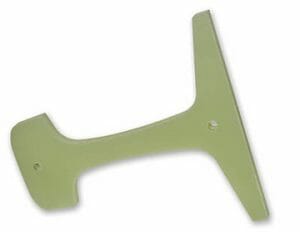
What Is G10 Material?

G10 material is a high-performance thermoset fiberglass composite laminate, frequently identified as FR4 glass epoxy. This material is engineered by bonding layers of continuous woven glass filament cloth with a specialized epoxy resin binder. Known for its exceptional dimensional stability, moisture resistance, and superior electrical insulation, G10 is a preferred choice for demanding mechanical and electrical environments. It is often recognized in the industry by trade names such as Micarta*, Garolite, or Bakelite*.

At Jaco Products, we specialize in CNC G10 material machining and G10 fabrication to create precise components tailored to your specifications. Whether for electrical insulation or structural support, our expertise ensures high-quality results for even the most complex designs.

What Is The Difference Between G10 and FR-4 Machining Material?

G10 materials are classified as thermoset industrial laminates. They are manufactured through a layered construction of substrates impregnated with a thermoset resin and cured under heat and pressure. These materials comply with standards published by NEMA (National Electrical Manufacturers Association), which establishes minimum performance values for thermoset laminates.

NEMA outlines two primary grade values for this specific category of industrial laminates: G10 and FR4. The core difference is that FR4 serves as the fire-retardant grade of G10.

Talk to the FR4 & G10 Machining Experts at Jaco

Unparalleled expertise in machined FR4 and G10 machining of high-performance parts. Talk to us about your next project.

G10 Material Properties | G10 Material Specifications:

The natural color of G10 / FR4 glass-reinforced epoxy is typically a light green to yellowish laminate. It is manufactured from continuous woven glass fabric impregnated with an epoxy resin, providing properties perfectly suited for electronics applications requiring superior electrical insulation.

G-10 FR-4 glass epoxy laminate meets the following specifications:

  • G10 FR4 : Mil-I-24768/27 GEE-F
  • G10 : Mil-I-24768/2 GEE
  • G10 FR4 : LP 509
  • G10 FR4 : MIL P 18177 Type GEE
  • NEMA FR4
machining g10 material that is slightly green

G-10 FR4 Sheets provide:

  • A maximum continuous operating temperature: 285°F
  • Excellent machinability
  • Excellent electrical characteristics
  • Low moisture absorption
  • Great dimensional stability (shrinkage is less than 1%)
  • Abrasive Texture
  • Good chemical resistance particularly under moist and humid conditions
  • Extremely high mechanical strength
  • Superior adhesive properties
  • Good dielectric loss properties
  • NEMA FR4 fire resistance
  • Commonly known as Micarta*, Garolite or Bakelite*

CNC Machining G10 Material

G10 FR4 sheet can be CNC machined up to +-.005 tolerance. Jaco offers G10 drilling, milling, and machining services to either cut to size to or machined to your CAD drawings. From 5-axis machining centers to routers, we can quickly and easily cut your G10 FR4 to your exact specifications. Get custom G10 machining services from the premier Ohio plastics fabricator, Jaco Products.
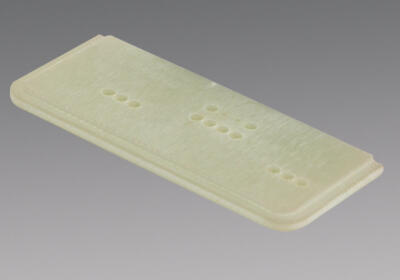
machined g10 material micarta machining part

Unlike machining metal, machining G10 can present challenges due to the highly abrasive glass fillers. Metal machining speeds are typically too high for composites resulting in delamination. Since Jaco, specializes in plastic machining and does not machine any metal components, equipment from machine tools to dust collection, is unique to the specific requirements of machining composites, laminates and glass filled resins.

G10 FR4 Die Cut Parts

Jaco offers die-cutting services of G10 FR4 material. G10 FR4 is a very versatile laminate used as an electrical insulation material in electronics, PCBs, and mechanical lines.

G10 Material Supplier

We sell full sheets of G10 FR4 through our materials distribution service. We offer varying thicknesses of G10 material, please contact sales department regarding available inventory.

G10 Material Applications

G10 FR4 material applications include:

  • Terminal boards
  • Washers
  • Sleeves
  • Structural components
  • Cryogenic components
  • Wear applications
  • Electrical applications
  • PCBs – Printed circuit boards
  • Power generation
  • G10 knife handles
  • G10 gun handles
  • G10 grip materials

G10 Datasheet / Technical Information

Contact our experienced technical staff for the most up-to-date copy of a G10 FR4 datasheet. Our staff is available to help you specify the right materials for your application and design the parts/components you need to meet your product requirements. Contact our technical staff today to discuss your G10 part design.

* The Micarta trademark is a registered trademark of Industrial Laminates / Norplex, Inc. (dba Norplex-Micarta / Norplex-Micarta Industrial Composites).

* Bakelite or polyoxybenzylmethylene glycol anhydride is an early plastic. It is a thermosetting phenol formaldehyde resin developed by the Belgian-American chemist Leo Baekeland in New York in 1907.


October 18, 2016

G10 Machining FAQs

G10 is a high-pressure fiberglass laminate recognized for its electrical insulation, mechanical strength, and chemical resistance. It is highly machinable and frequently used in electrical components, insulators, and mechanical parts.

When machining G10, proper tooling selection is critical. Carbide tools are strongly favored over high-speed steel (HSS) due to their durability against the abrasive glass fibers. Optimal cutting speeds and feed rates depend on the specific operation, tooling, and material characteristics to achieve the correct finish and efficiency.

G10 generates less heat than many metals during machining, but coolants or lubricants remain highly advantageous for heat dissipation and process optimization. The choice between climb milling and conventional milling depends on the part geometry and target surface finish.

The machining process produces fine dust particles. Implementing proper dust control measures is mandatory to maintain a safe working environment. A rigid, stable machining setup is also essential to ensure precise cuts and prevent vibration or deflection. Adhering to manufacturer recommendations and conducting test runs will guarantee a successful machining operation.

In manufacturing, G10 denotes a type of high-pressure fiberglass laminate. This composite consists of glass cloth layers impregnated with an epoxy resin, compressed and heated to form a solid, durable material.

Key characteristics of G10 in manufacturing include:

  • Electrical Insulation: G10 is an outstanding electrical insulator, making it suitable for various applications in electronics and electrical engineering.
  • Mechanical Strength: G10 exhibits high mechanical strength, providing durability and stability. It can withstand significant mechanical stress and pressure.
  • Chemical Resistance: G10 is resistant to many chemicals, making it suitable for use in environments where exposure to corrosive substances is a concern.
  • Dimensional Stability: G10 maintains its dimensional stability under different environmental conditions, contributing to its reliability in precision applications.
  • Machinability: G10 is machinable, allowing it to be cut, shaped, and drilled to create custom components for specific applications.

Common applications of G10 in manufacturing include:

  • Electrical Insulators: G10 is used to manufacture insulating components for electrical equipment and devices.
  • Mechanical Parts: Its high mechanical strength makes G10 suitable for creating durable mechanical components.
  • Aerospace Components: G10 is utilized in the aerospace industry for various components due to its lightweight and high strength.
  • Firearms Grips: G10 is often used for firearm grips because of its durability, stability, and resistance to chemicals.
  • Printed Circuit Boards (PCBs): G10 is used as a substrate material for PCBs due to its electrical insulating properties.

G10 comes in various grades and thicknesses to meet specific requirements for different applications. The material is widely appreciated for its versatility and reliability in diverse manufacturing settings.

G10 does not have a direct equivalent in terms of a specific single substance. It is a unique composite material composed of layered glass cloth and epoxy resin, cured under heat and pressure.

The distinctive characteristics of G10 include:

1. Electrical Insulation: G10 is an excellent electrical insulator, making it suitable for various applications in electronics and electrical engineering.

2. Mechanical Strength: It exhibits high mechanical strength, providing durability and stability. G10 can withstand significant mechanical stress and pressure.

3. Chemical Resistance: G10 is resistant to many chemicals, making it suitable for use in environments where exposure to corrosive substances is a concern.

4. Dimensional Stability: G10 maintains its dimensional stability under different environmental conditions, contributing to its reliability in precision applications.

5. Machinability: G10 is machinable, allowing it to be cut, shaped, and drilled to create custom components for specific applications.

While there may not be a direct equivalent to G10, other high-pressure fiberglass laminates with similar characteristics and properties may be used in certain applications. It’s essential to consider the specific requirements of the application and choose materials based on their unique properties rather than seeking an exact equivalent to G10.